


Relapse Prevention

Break free from substance use disorder through our effective, tailored treatment programs for lasting recovery and a fresh start.

Request a Call Back

Addiction Treatment

Recovery Support

Taking the First Step Safely

Deciding to stop using substances is courageous. But doing it safely is essential. Medical detoxification is the critical first step in recovery—a medically supervised process that helps your body safely clear substances while our experienced team manages withdrawal symptoms and keeps you comfortable.

At Guardian Recovery, we understand that detox can feel overwhelming. You might be worried about withdrawal, unsure what to expect, or hesitant to take this first step. We’re here to tell you: you don’t have to do this alone, and you don’t have to suffer. Our medical detox program provides 24/7 care, proven comfort measures, and compassionate support to help you through this crucial beginning of your recovery journey.

Addiction Treatment Services
Relapse Prevention Training

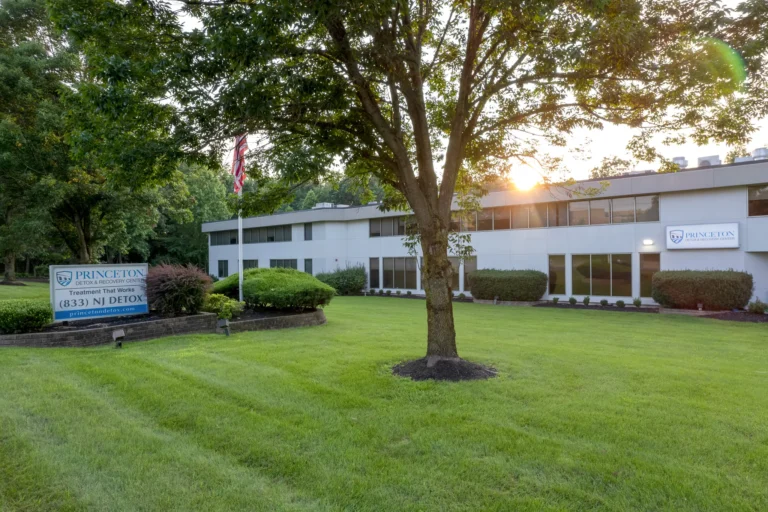
The main priority of every addiction treatment program is to teach people how to successfully stay sober and avoid relapse. Addiction is a complicated, chronic condition; one that can be effectively treated. Because addiction often causes relapse, it is important that a person who is in remission keeps up with a personal program of recovery after treatment concludes. Recovery programs look different for different people, though they always include a continued implementation of the relapse prevention skills taught during treatment. At Princeton Detox & Recovery Center we place a significant emphasis on relapse prevention training, providing each and every one of our clients with the tools they need to stay sober long-term. To learn more about our recovery program, contact us today.

About Relapse Prevention Training

Relapse prevention training can be broken down into eight distinct steps. It is important to note that not all therapists will utilize these specific steps in the below-listed order, though some variation of this process is usually implemented.

Steps to Prevent Relapse:

  • Review common relapse triggers – At Princeton Detox & Recovery, our therapists go over people, places and things that might normally trigger a relapse; like being offered alcohol, being around a group of friends who are all using drugs recreationally, or experiencing a significant loss. Going over common triggers helps each client identify what events and experiences might lead to relapse.
  • Identify all personal relapse triggers – Many triggers are personal to each individual. Our therapists will help our clients review their own personal histories to identify potential pitfalls and craft a plan for overcoming personal challenges.
  • Identify all personal warning signs  – Warning signs often occur before triggers and can signal that an individual is backsliding toward relapse. These warning signs could include things like sleeping more than usual, emotional reactivity, isolating, skipping out on recovery meetings and neglecting self-care.
  • Work on the development of healthy coping mechanisms – Therapists work directly with clients to identify which coping mechanisms are going to be the most effective. They utilize important therapeutic methods such as cognitive behavioral therapy and dialectical behavioral therapy to help individuals manage their thoughts, emotions and behaviors. They also teach clients useful emotional regulation skills like mindfulness, breathwork and meditation.
  • Write down a personalized relapse prevention plan At Princeton Detox & Recovery Center we believe that having a physical reminder of what steps to take is extremely important. Once a client transitions out of detox and back into independent living (if they opt not to transition directly into residential inpatient treatment), they will need to employ the coping mechanisms they learned while in detox. This plan should include everything that was covered in one-on-one and group relapse prevention training sessions.
  • Share the relapse prevention plan with sober supports – It can be difficult for a client to consistently identify warning signs in themselves. In some cases, the client will need a gentle nudge from their trusted friends and family members. When a loved one knows what red flags to look for there is a greater chance that warning signs will get caught in time for a potential relapse to be successfully prevented.
  • Practice the learned skills in day-to-day situations – We encourage our clients to practice the coping skills they have learned whenever they feel angry, stressed out or sad. Once a client transitions into a lower level of clinical care they have even more of an opportunity to practice what they have learned.
  • Expand on the personalized relapse prevention plan over time – As the client continues to learn more about their sober self, their emotional triggers and behavioral patterns, the relapse prevention plan must be adjusted.

Find the Right Program for You

Complete our secure form and we’ll connect you with treatment options tailored to your needs.

Avoiding Relapse & Staying Sober

It is not uncommon for a person to experience a brief lapse at some point during early recovery. A lapse could be a return to negative patterns of behavior or a brief return to substance use. Part of relapse prevention training is ensuring that a lapse does not spiral into a full-blown relapse.
https://www.princetondetox.com/wp-content/uploads/2021/07/Princeton-Relapse-Prevention2.jpg

3 Stages of Relapse

Relapse begins long before an actual drink or drug is used. If an individual can see that they are backsliding before they pick up a drink or a drug, they may spare themselves from having to physically relapse.

Stages of Relapse:

1. Emotional Relapse:

During the first stage of the relapse process the person is not actually thinking about drinking or using drugs. However, their behaviors are uncharacteristic and indicative of a potentially looming relapse. Signs of emotional relapse could look like increased social isolation, skipping out on recovery meetings, sleeping more than normal, changes to eating patterns, not openly sharing thoughts and feelings with others and focusing more on other people’s problems than on self. At Princeton Detox & Recovery Center we teach our clients to accurately identify all signs of emotional relapse so they never actually progress to picking up their substance of choice. One of the most effective ways to avoid emotional relapse is to keep up with a personal program of recovery and consistently engage in self-care.

2. Mental Relapse:

When a person stays stuck in emotional relapse for an extended period of time, they eventually transition into the mental relapse stage. They start to feel uncomfortable in their own skin and they begin lashing out at others. They become short-tempered, irritable and discontent. Eventually they begin to think that picking up a drink or a drug might not be such a bad idea. They romanticize their past substance use, minimize past consequences and begin bargaining with themselves. A mental war rages on, and if mental relapse is not successfully caught and reversed in time it will inevitably progress to a physical relapse. During this stage of the relapse process it is extremely important to reach out for help. We encourage our clients to stay consistently open and honest with at least one member of their sober support group, and let this person know as soon as they begin thinking about picking up.

3. Physical Relapse:

During this stage of the relapse process the person physically picks up a drink or a drug. In some cases, the physical stage can be caught before it develops into a full-blown relapse. For example, a person might experience emotional and mental relapse, and after several months they might find themselves in a bar with a drink in their hand. If the person implements what they have learned in relapse prevention training, they might be able to reach out for help and make it to a recovery meeting the very next day. Experiencing emotional and mental relapse does not mean that treatment has failed, and it does not mean that relapse prevention training has been unsuccessful. We teach our clients that they can catch a relapse during any stage of the process and immediately get back on the right track.

Your Insurance Might Cover It

Verify your coverage now to see what services are available to you with little or no out-of-pocket cost.

Begin the Admissions Process Today

When you or your loved one is ready to ask for help, Princeton Detox & Recovery Center will be here. Our intake process is straightforward and can be completed in as little as 15 minutes. We provide a complimentary addiction assessment, a free, no obligation insurance benefit check and help coordinate local travel to our facility. We understand that committing to a change of lifestyle can seem overwhelming in and of itself, which is why we have developed an admissions process that is as uncomplicated as possible. All you or your loved one has to do is ask for help, we will take care of the rest. For more information on relapse prevention training or on our program of addiction recovery as a whole, contact us today.

Ready to Begin Your Recovery?

You don’t have to wait until things get worse.

Medical detox at Guardian Recovery can help you stop using substances safely, comfortably, and with the support you deserve.

Your recovery starts with a single call. Let us help you take that first step safely.

Common Questions & Concerns

Clear, straightforward answers to help you understand what to expect, how the process works, and how we support you every step of the way.

Will I be in pain?

We offer programs lengths individualized for each client. Generally detox is anywhere from 3-7 days. These are  estimates and are adjusted to meet the needs of the individual client.

Click here to get in touch with us for any other questions and begin your journey to recovery today.

Yes! We work with most major insurance providers. We offer free no-obligation insurance benefit checks for those who are interested in our program. Our admissions team will speak with your insurer and get a detailed verification of your insurance benefits and share those details with you. Unfortunately medicaid and medicare do not cover our facility.

Click here to find out if your insurance will cover your recovery.

Tampa addiction facilities are located in the Southeast United States. Our first facility to launch is based near Tampa Bay, Florida, at 405 7th Ave SW, Largo, FL 33770.

Click here to get in touch with us for any other questions and begin your journey to recovery today.

Yes, we offer medication assisted treatment (MAT). During detox, medication is used to ease withdrawal from the drugs or alcohol that clients have been using. The types of medication used are determined by our medical team based on the needs of the client. Common medications used for opiate detox are suboxone and clonidine. Alcohol and benzodiazepines are commonly detoxed using librium, gabapentin and baclofen. If you have questions about detox medication please contact our Treatment Advisors.

Click here to get in touch with us for any other questions and begin your journey to recovery today.

Absolutely. We understand that addiction affects the entire family system and encourage families to participate in their loved one’s treatment. To help families recover we also offer intervention services, case management, and family workshops.

Click here to get in touch with us for any other questions and begin your journey to recovery today.

Absolutely. We understand that addiction affects the entire family system and encourage families to participate in their loved one’s treatment. To help families recover we also offer intervention services, case management, and family workshops.

Click here to get in touch with us for any other questions and begin your journey to recovery today.

Why Choose Guardian Recovery for Medical Detox?

Experienced Medical Team

Our physicians, nurses, and clinical staff specialize in addiction medicine and have extensive experience managing complex withdrawals.

Experienced Medical Team

Our full continuum of care means you never have to search for your next step—we’re already planning it with you, and coordinating it every step of the way.

Experienced Medical Team

We use only FDA-approved, proven medications and protocols to ensure your safety, comfort, and effective care you can trust at every phase.

Experienced Medical Team

You’ll be treated with dignity and respect by a team that believes in your ability to recover and is committed to supporting your journey toward wellness.

Experienced Medical Team

Mental health and substance use are addressed together from day one, ensuring you receive integrated, comprehensive care for lasting recovery and wellness.

Experienced Medical Team

Private or semi private rooms, nutritious meals, and a peaceful environment all thoughtfully designed to support your healing and well being.

Medical Detoxification

Our team provides 24/7 care to help ease withdrawal symptoms and keep you safe and supported during early recovery.

Residential Inpatient

Round-the-clock care in a structured, supportive setting helps you focus fully on building a foundation for lasting change.

Virtual

Offering intensive outpatient support online for those needing ongoing care or unable to attend in-person treatment.

Network of Programs

Guardian Recovery offers a full continuum of care between our facilities; including PHP, IOP, and Aftercare programs.

Verify Insurance Coverage

Request a Call Back

Best Time to Reach You

Medical Disclaimer:

The information provided on this website is intended solely for educational and informational purposes. Guardian Recovery aims to improve the quality of life for individuals struggling with substance use or mental health disorders by offering fact-based content about behavioral health conditions, treatment options, and related outcomes. However, this information should not be considered a substitute for professional medical advice, diagnosis, or treatment.

Important Notes:

The content on this site is believed to be current and accurate at the time of posting, but medical information is constantly evolving.
Always seek the advice of your physician or other qualified healthcare provider regarding any questions or concerns about your health or medical condition.
If you think you may have a medical emergency, call 911 or go to the nearest emergency room immediately.
Guardian Recovery does not provide free medical advice. For personalized treatment recommendations, please consult with a licensed healthcare professional.

By using this website, you acknowledge that you have read and understand this disclaimer. Guardian Recovery and its affiliates disclaim any liability for the use or interpretation of information contained herein. SEE TERMS AND CONDITIONS

Get in Contact

 
Medical Disclaimer:
The information provided on this website is intended solely for educational and informational purposes. Guardian Recovery aims to improve the quality of life for individuals struggling with substance use or mental health disorders by offering fact-based content about behavioral health conditions, treatment options, and related outcomes. However, this information should not be considered a substitute for professional medical advice, diagnosis, or treatment.

Important Notes:
The content on this site is believed to be current and accurate at the time of posting, but medical information is constantly evolving.
Always seek the advice of your physician or other qualified healthcare provider regarding any questions or concerns about your health or medical condition.
If you think you may have a medical emergency, call 911 or go to the nearest emergency room immediately.
Guardian Recovery does not provide free medical advice. For personalized treatment recommendations, please consult with a licensed healthcare professional.

By using this website, you acknowledge that you have read and understand this disclaimer. Guardian Recovery and its affiliates disclaim any liability for the use or interpretation of information contained herein. SEE TERMS AND CONDITIONS