


Our Approach to Addiction Treatment
At Princeton Detox & Recovery Center, we’ve developed an extensive treatment philosophy that recognizes addiction as a complex disease requiring individualized, evidence-based care. Through our holistic healing approach, we combine traditional medical protocols with thorough therapeutic interventions, ensuring personalized care that addresses both the physical and psychological aspects of substance use disorders. Our integrated treatment model promotes lasting recovery by treating the whole person, not just the symptoms. Individual therapy sessions allow clients to work through personal challenges in a private, supportive environment. We offer medication-assisted treatment to help manage withdrawal symptoms and cravings safely and effectively. Our comprehensive program includes specialized care for clients experiencing co-occurring mental disorders alongside addiction, ensuring all aspects of mental health are addressed during treatment. Our dedicated team helps clients develop relapse prevention skills through targeted education and personalized coping strategies.
Substance Use Disorders We Treat at Our Treatment Center
At Princeton Detox & Recovery Center, we treat a comprehensive range of substance use disorders. Our expert team specializes in treating alcohol addiction as well as various drug dependencies including opioids, benzodiazepines, stimulants, synthetic drugs, and prescription medications. Our individualized treatment programs address each client’s specific needs through evidence-based approaches and personalized recovery plans. Group therapy sessions provide crucial peer support and shared experiences that enhance the recovery journey. Family counseling programs can significantly strengthen recovery outcomes by healing relationships and establishing healthy support systems.
Addressing Mental Health Disorders in Substance Use Treatment
Understanding the intricate relationship between mental health disorders and substance use, our specialized treatment programs at Princeton Detox & Recovery Center address common co-occurring conditions, including depression, anxiety, mood disorders, and PTSD. Through our trauma-informed care approach, we help clients heal from both substance use and mental health challenges simultaneously, ensuring a more thorough recovery that treats co-occurring disorders with evidence-based therapies and compassionate support.
Substance Use & Mental Health Treatment Therapies
At Princeton Detox & Recovery Center, we offer a thorough array of evidence-based therapies, including individual, group, and family therapy sessions, to address both substance use and mental health challenges simultaneously. Through individual therapy, our experienced clinicians work one-on-one with clients to examine personal triggers, develop coping strategies, and create tailored recovery plans that align with their unique needs and circumstances. Our therapeutic approach extends beyond individual sessions to include both group therapy, where clients benefit from peer support and shared experiences, and family therapy, which helps repair relationships and establish healthy communication patterns essential for long-term recovery.
Individual Therapy
Through personalized one-on-one sessions with our experienced therapists, individual therapy serves as a cornerstone of effective substance use and mental health treatment at Princeton Detox & Recovery Center. We develop individualized treatment plans that address each client’s unique challenges, helping them investigate underlying causes of addiction while building essential coping skills. The individual therapy benefits include enhanced self-awareness, improved emotional regulation, and stronger recovery foundations.
Group Therapy
While individual therapy provides personalized support, group therapy at Princeton Detox & Recovery Center creates a powerful environment where clients connect with others facing similar challenges in their recovery journey. Through structured group dynamics, clients experience therapeutic benefits including shared experiences, peer feedback, and improved interpersonal skills, while our trained facilitators guide meaningful discussions that reinforce recovery principles and coping strategies.
Family Therapy
Because addiction impacts entire family systems, Princeton Detox & Recovery Center’s extensive family therapy program serves as an essential component of our treatment approach, helping to heal damaged relationships and establish healthier dynamics between clients and their loved ones. We employ evidence-based therapeutic techniques to address dysfunctional family dynamics, improve communication patterns, and provide families with practical tools for supporting their loved one’s recovery journey.
Aftercare Planning & Support After Detox
At Princeton Detox & Recovery Center, we recognize that successful long-term recovery requires thorough support after initial detoxification. Our expert clinical team works closely with each client to develop a personalized aftercare plan that provides the appropriate level of structure, accountability, and therapeutic support needed for their unique situation and recovery goals. After completing detox, clients can transition to various levels of care including residential treatment, partial hospitalization (PHP), intensive outpatient (IOP), or standard outpatient programs depending on their individual needs and circumstances. Through this progressive step-down approach to treatment, we help clients gradually shift back to independent living while maintaining the stability and coping skills established during detox, ensuring they have the ongoing resources and community support essential for sustained sobriety.
Inpatient Residential Program
Inpatient residential treatment represents a vital next step in the recovery journey after detoxification. This comprehensive level of care provides 24/7 medical supervision, structured daily programming, and intensive therapeutic support within a controlled, residential environment. Clients benefit from individualized counseling, group therapy sessions, and holistic treatment approaches that address both physical healing and psychological well-being. Through detailed aftercare planning and care coordination, individuals completing detox can seamlessly transition into residential programs that align with their specific recovery needs and personalized treatment goals. This structured living environment, combined with clinical support and peer community, offers an essential foundation for building lasting recovery skills and maintaining long-term sobriety.
Partial Hospitalization (PHP)
Partial Hospitalization Programs (PHP) serve as a vital bridge between intensive inpatient care and independent living, offering structured therapeutic support while allowing individuals to maintain daily responsibilities. This level of care typically provides comprehensive treatment during the day while clients return home in the evenings, enabling them to practice recovery skills in real-world settings. After completing medical detox, individuals may transition into PHP through carefully coordinated aftercare planning, where they can access group therapy, individual counseling, medication management, and family support services. The program’s flexible nature makes it particularly beneficial for those who need intensive support but have progressed beyond 24-hour care, allowing them to gradually build independence while maintaining a strong connection to recovery resources and professional guidance. Treatment plans are customized to each person’s specific needs, ensuring appropriate care continuation and sustained recovery support following medical detoxification.
Intensive Outpatient Program (IOP)
Intensive Outpatient Programs (IOP) serve as a vital component in the continuum of addiction recovery care, offering structured treatment while allowing individuals to maintain their daily responsibilities and routines. This level of care typically follows medical detox and provides a supportive bridge for clients transitioning back into everyday life. During IOP, clients participate in multiple weekly therapy sessions, group counseling, and various evidence-based treatments while living at home or in supportive housing.
Through comprehensive aftercare planning and coordination with trusted treatment partners, individuals completing detox can seamlessly transition into an IOP that aligns with their specific recovery needs and goals. This level of care proves particularly beneficial for those who require ongoing therapeutic support but have work, school, or family commitments to maintain. Treatment plans are customized to each person’s circumstances, ensuring appropriate care continuation and sustained recovery support.
IOP participants benefit from regular therapy sessions, skill-building workshops, and continuous access to recovery resources while gradually reintegrating into their daily routines. This balanced approach helps reinforce recovery principles learned during detox while providing the flexibility needed to practice these tools in real-world situations.
Outpatient Program
Outpatient treatment serves as a vital step in addiction recovery, offering structured support while providing maximum flexibility for individuals who have completed more intensive levels of care. This level of care enables clients to maintain their daily responsibilities while receiving essential therapeutic support, with program schedules designed to accommodate work and family commitments. Following medical detox, individuals can seamlessly transition into outpatient services through comprehensive aftercare planning, ensuring continued support aligned with their unique recovery needs and personalized treatment goals. The flexible nature of outpatient care allows clients to gradually step down from more intensive treatment while maintaining crucial connections to recovery support and therapeutic resources.
Our Virtual Addiction Treatment & Telehealth Therapy Program in New Jersey
As part of Princeton Detox & Recovery Center’s commitment to accessible care, we’ve developed a thorough virtual addiction treatment and telehealth therapy program that serves clients throughout New Jersey, providing evidence-based treatment from the comfort and privacy of their homes. Through extensive virtual support and extensive online resources, we’re able to deliver our full range of therapeutic services, including individual counseling, group sessions, and family therapy.
Why Choose Princeton Detox & Recovery Center for Treatment & Recovery?
When seeking treatment for substance use disorders, choosing the right rehabilitation center can make the difference between lasting recovery and recurring struggles. At Princeton Detox & Recovery Center, we provide personalized care through evidence-based practices and holistic methods, while fostering community support through group therapy and peer connections. Our experienced clinical team tailors treatment plans to each client’s unique needs and circumstances.
Frequently Asked Questions About Our Detox Program Near Milltown, NJ
Commonly asked questions about our detox and rehab program near Milltown, NJ address key concerns from prospective clients and their families. These questions cover essential topics about our treatment services, facility details, and admission requirements. Please reach out to our knowledgeable treatment advisors with any questions you may have about our treatment programs.
Do You Take Insurance to Pay for Treatment?
Understanding how to pay for addiction treatment represents one of the most common concerns for individuals seeking recovery. Princeton Detox & Recovery Center works with many major insurance providers including Amerihealth, Community Health Options, Compsych, First Health/Cofinity, Lower Hudson Valley, Magellan, Mines & Associates, Ovation Health, and more. Insurance may cover the cost of your treatment. For those without insurance coverage, we offer self-pay options. Contact us to verify your insurance benefits or learn about our flexible payment plans to make starting your recovery journey seamless.
Should I Travel for Treatment from Milltown, NJ?
Traveling away from a familiar environment for treatment provides crucial advantages in the recovery journey. Physical distance from everyday triggers and routines allows for complete focus on healing, while access to comprehensive care programs ensures the highest quality treatment. The new surroundings create a fresh perspective and renewed mindset, essential for lasting recovery. Our team handles all travel arrangements to make the transition smooth and stress-free.
Where Are You Located?
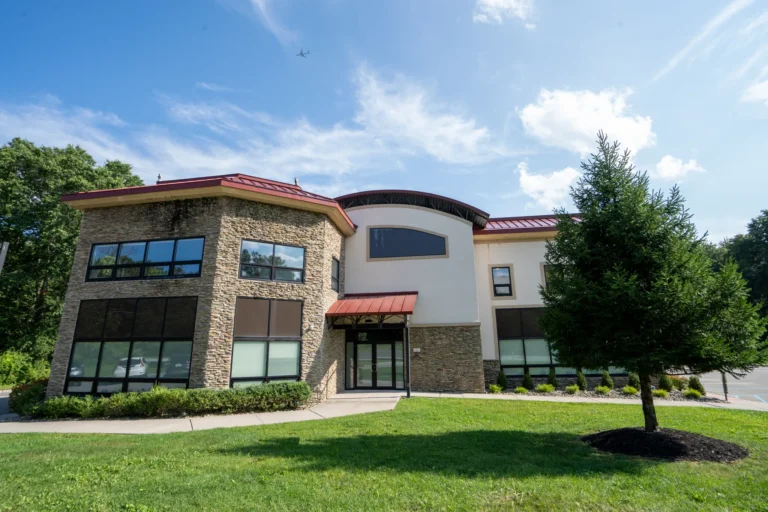
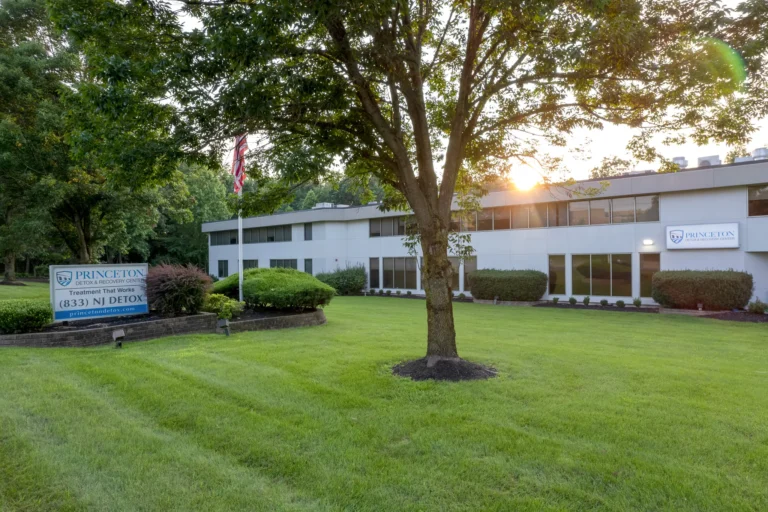
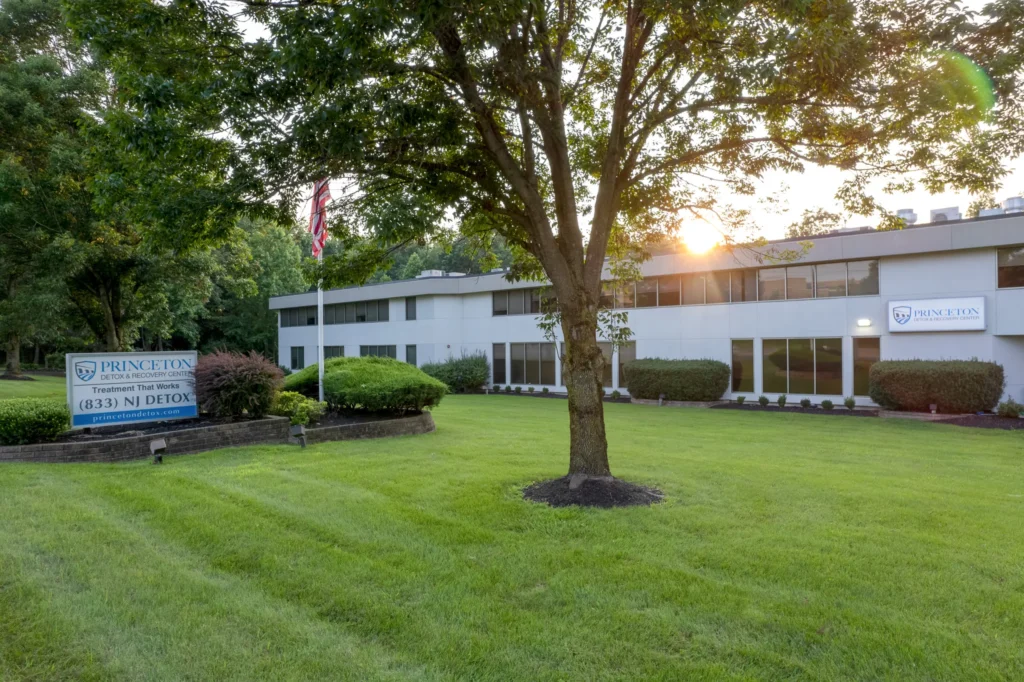
Princeton Detox & Recovery Center is located at 4287 US-1, Monmouth Junction, NJ 08852. Our facility provides substance use disorder treatment for residents of Milltown and surrounding communities throughout the Tri-State area. Our location allows clients to experience detox benefits while remaining close to their support systems, and we’ve found that proximity to home often contributes positively to achieving early recovery milestones.
How Long Is the Detox Program?
The detox program typically spans 5-7 days, though duration is tailored to each individual’s specific circumstances and recovery needs. Some clients may require extended detoxification periods based on factors like substance use history, withdrawal severity, and medical considerations. Following detox, clients have the option to transition into various treatment pathways, including residential inpatient programs for comprehensive care or outpatient services offering greater scheduling flexibility. The overall length of treatment ultimately depends on each person’s unique situation, recovery goals, and clinical recommendations.
Does Your Treatment Center Accept People of All Ages?
Princeton Detox & Recovery Center exclusively serves adults aged 18 and older who are struggling with substance use disorders and co-occurring mental health conditions. For adolescent treatment needs, our Montville Adolescent Center in Towaco, New Jersey provides specialized care for younger individuals. Learn more about our adolescent treatment programs at Guardian Recovery – Montville Adolescent Center. As part of Guardian Recovery, we offer comprehensive treatment options across multiple facilities to serve different age groups and specific recovery needs.
Is Treatment Confidential?
Our strict confidentiality policies and client privacy measures create a secure treatment environment. We adhere to all legal and ethical standards to protect your personal information throughout your recovery journey. Your confidential information remains safeguarded under established privacy protocols, allowing you to concentrate on your treatment with complete peace of mind.
How Much Does Treatment Cost?
The cost of treatment depends on individual client needs and specific program requirements. In many cases, insurance may cover the cost of treatment. We work with many insurance providers and also offer self-pay options. We understand you may have questions around treatment costs. Please give us a call to see what options we may have available and how we can make beginning treatment as seamless as possible for you or a loved one.