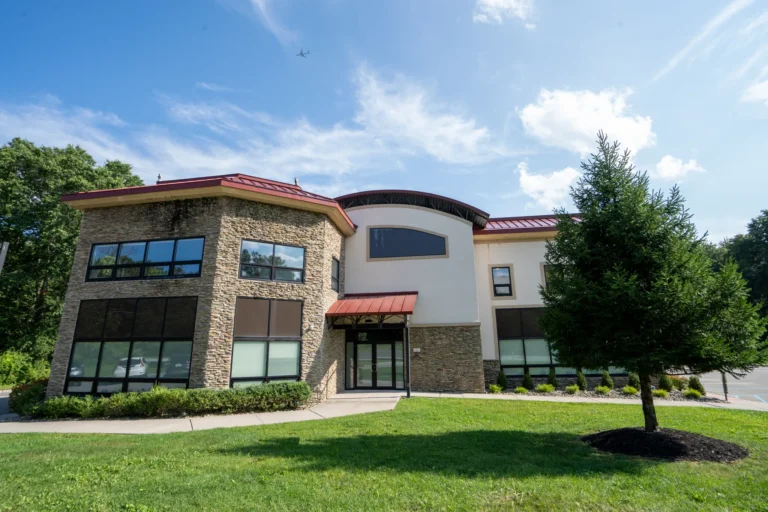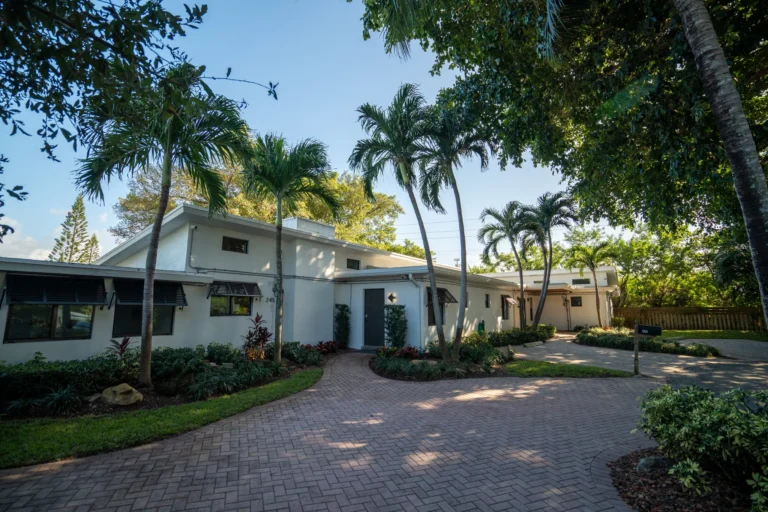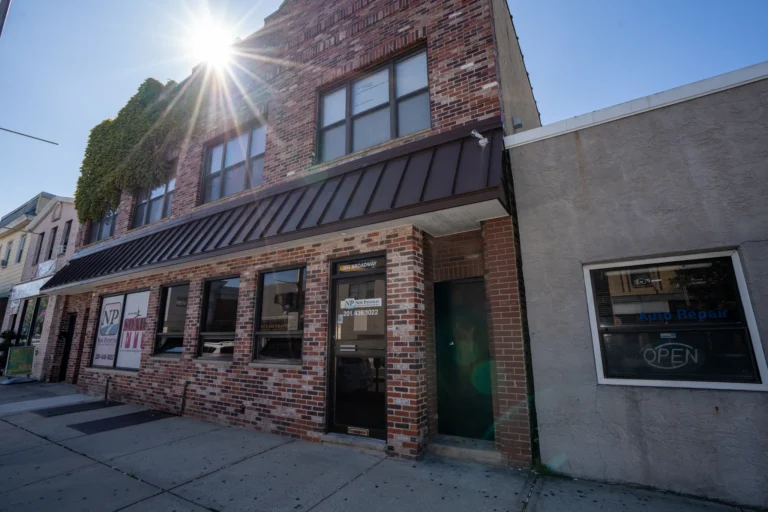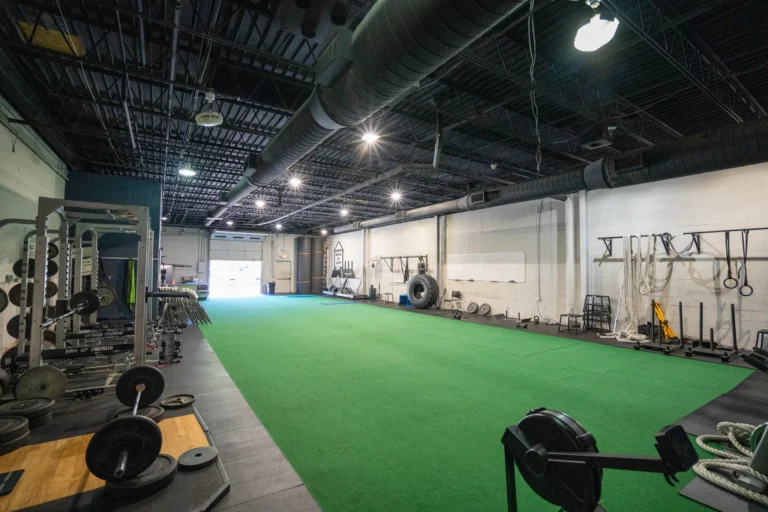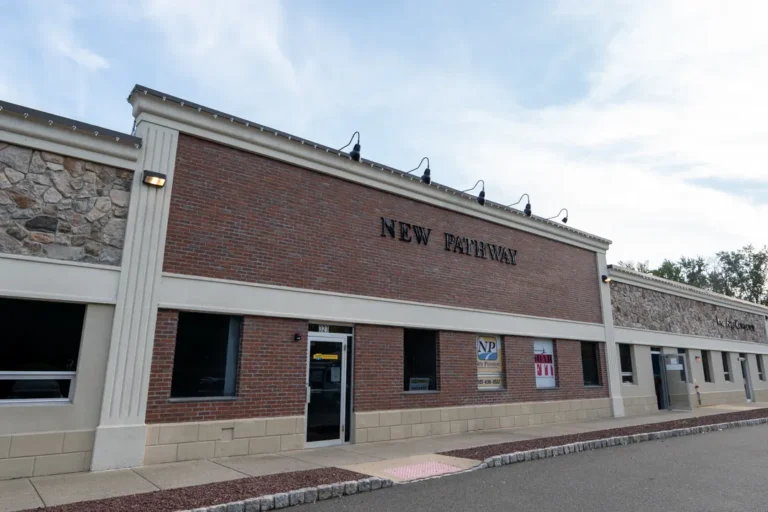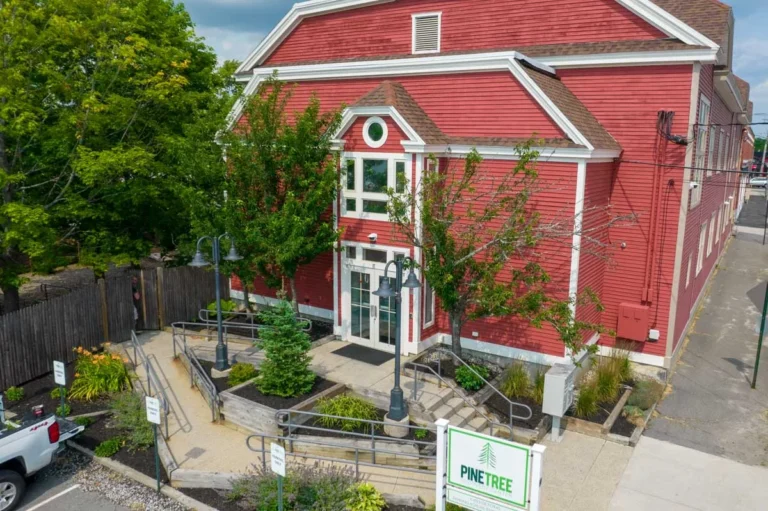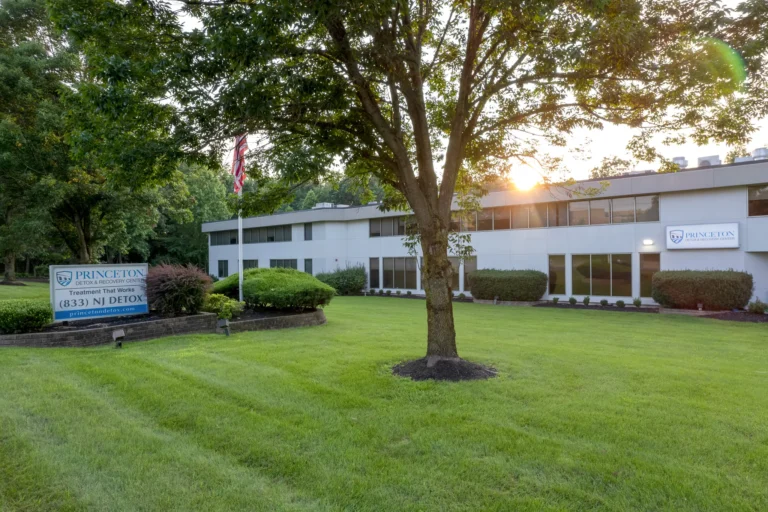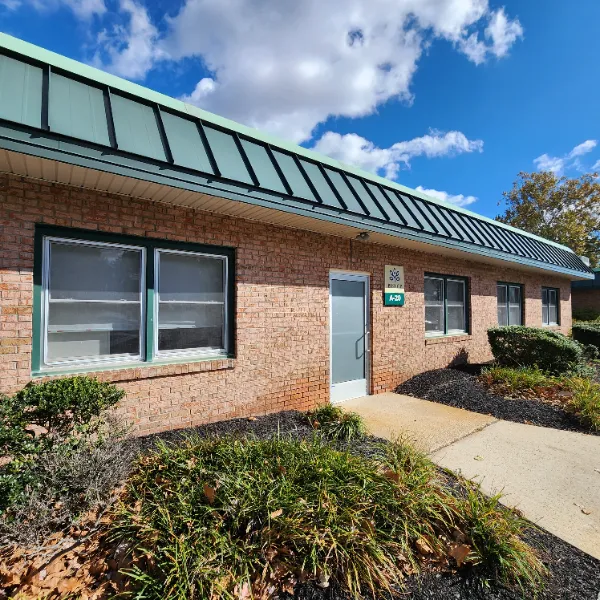
Our behavioral health programs at Princeton Detox & Recovery Center near Hightstown, NJ, include detox and individual, family, and group therapy. Our drug and alcohol treatment programs are created with a focus on customized care and evidence-based strategies while accounting for each person’s unique needs and recovery goals.
Our team of addiction specialists can help if you or a loved one is struggling with substance misuse or dependence. We can help you develop the coping mechanisms needed to attain abstinence and experience long-lasting sobriety. Reach out now and take your first step toward recovery.
Drug Detox & Addiction Treatment Options Near Hightstown, NJ
The process of removing drugs and alcohol from the body under clinical supervision is known as medical detox. It is intended to relieve withdrawal symptoms and ensure the client’s safety. The detox services we provide are effective for a variety of commonly misused substances, including alcohol, prescription drugs, and illicit drugs such as heroin, meth, and cocaine.
https://www.princetondetox.com/wp-content/uploads/2020/12/alocohol-detox-new-jersey-300×200.jpg
Alcohol Detox
One of the few substances that can be fatal during unmonitored withdrawal is alcohol. In order to prevent the life-threatening symptoms of a condition known as delirium tremens (DTs) and other potential life-threatening symptoms, a medical alcohol detox is essential. These symptoms include hallucinations, tremors, seizures, confusion, and disorientation. A clinically supervised detox can significantly lower the likelihood of developing DTs compared to withdrawing without professional assistance.
Additionally, medication-assisted treatment (MAT) is typically administered to combat cravings and the potentially severe effects of withdrawal. Supportive measures and OTC medications are provided as needed.
Prescription Drug Detox
Many prescription drugs necessitate medical detox in order to ensure client safety, including opioids, benzodiazepines (benzos), and certain stimulants. Detox varies dramatically by substance.
Opioid Detox
Prescription opioids are analgesic (painkilling) medications (e.g., oxycodone and hydrocodone) that can be relatively safe and effective when used short-term. However, regular use over an extended period can result in tolerance, dependence, and addiction. They also have a high potential for overdose when used excessively, which can include life-threatening symptoms and death. In addition to medical supervision, opioid detox often includes FDA-approved medications as well as supportive measures.
Benzodiazepine Detox
Benzos are powerful central nervous system depressants that have a significant potential for dependence when used long-term. Like alcohol, experiencing withdrawal from benzos without medical monitoring and care can be fatal and result in a condition similar to DTs, which includes hallucinations, disorientation, and seizures. Medications may be administered to reduce or prevent these effects from happening.
Stimulant Detox
Prescription stimulants are medications commonly used to treat attention-deficit hyperactivity disorder (ADD/ADHD) and occasionally, narcolepsy. These include Adderall, Ritalin, Concerta, and others. Although stimulant withdrawal is not typically life-threatening, it can lead to serious, highly unpleasant effects. These can lead to deep depression and suicidal ideations. For these reasons, medical detox can be essential to ensure individuals are emotionally stable and safe.

Substance Use Recovery Treatment Options
At Princeton Detox & Recovery Center, we offer a variety of research-based treatment options overseen by our highly skilled behavioral health specialists.
Research-Based Treatment Options We Offer Include:
- Inpatient detox rids the body of toxic substances in a clinical setting under medical supervision to ensure safety and improve comfort.
- Individualized therapy allows individuals to meet with a therapist one-on-one in a safe setting to explore their dysfunctional coping methods and replace them with healthier strategies.
- Family therapy helps families learn about addiction and more effectively interact with and support their loved one throughout their recovery.
- Group therapy is facilitated by a licensed behavioral health specialist and allows peers to support each other and discuss better ways of dealing with challenges.
- Dual diagnosis treatment ensures co-occurring behavioral health conditions are addressed simultaneously and common underlying factors of each issue are identified.
- Medication-assisted treatment is used for alcohol and opioid addiction to relieve cravings, reduce symptoms, and avoid the unpleasant or dangerous effects of withdrawal.
- Relapse prevention includes strategies that help individuals maintain sobriety following formal treatment, with a focus on the use of healthy coping mechanisms and ongoing care and support.
Drug & Alcohol Use Statistics in Hightstown Township, NJ
According to the New Jersey Department of Human Services, in 2019 the most common substances misused by Mercer County residents admitted for addiction treatment were heroin (40%), alcohol (31%), marijuana (12%), and cocaine (8%).1
In 2021, there were 87,745 clients admitted into alcohol and drug rehab in New Jersey for heroin (38%), alcohol (36%), marijuana (7%), and other opiates (7%).2
Between 2018 and 2019 in New Jersey, 4.33% of individuals aged 12 and older had a past-year alcohol use disorder. Three percent of this age group was reported as engaging in past-year prescription painkiller misuse. Finally, heroin use was reported at 0.41%.3
What To Look For in a Local Substance Use & Addiction Treatment Center
Reputable addiction treatment centers are expected to have several important characteristics. These include having the required licensing and accreditation, being staffed with experienced behavioral health professionals, and providing evidence-based, holistic approaches personalized to address each client’s specific needs, circumstances, and goals.
Qualities To Look For in a Treatment Center Include:
- Accreditation and Licensing—Although not required by law, when treatment centers are accredited by an organization such as The Joint Commission, this is viewed as a sign of commitment to providing quality care. Conversely, licensing by the State of New Jersey is mandatory.
- Evidence-Based Approaches—Therapies and other methodologies should be backed by scientific research that finds they are safe and effective.
- Individualized Treatment Plans—Personalized treatment plans are essential to ensuring that programs, approaches, and activities are tailored to the individual and address their specific needs and treatment goals.
- Holistic Approach—Programs should include multiple therapies that address the individual as a whole mentally, emotionally, physically, and spiritually. This can help them gain a deeper understanding of the underlying causes of their behavioral health issues and develop healthier coping mechanisms.
- Skilled, Experienced, Qualified Staff—Behavioral health professionals should be licensed, experienced and have expertise in their field of practice. Other staff members should be qualified to provide individuals with quality care and support.
- Multiple Levels of Care—Treatment plans should include step-down levels of care whenever possible. These decrease in intensity and increase in flexibility throughout inpatient and outpatient programs and aftercare.
- Dual Diagnosis Treatment—Programs and therapies should actively address co-occurring substance use and mental health disorders simultaneously to help prevent regression or relapse.
- Family Involvement—Ideally, loved ones should be involved in their loved one’s treatment to learn about the disease model of addiction, how to communicate in a healthier way, and support the individual’s recovery endeavors.
- Support for Special Populations—Behavioral professionals and the treatment they render should consider special populations, such as older adults, the disabled, minorities, and the LGBTQ+ community.
- Peer Support—During and after treatment, peer support can be invaluable in providing the newly sober with guidance and accountability. Support groups should be included in formal treatment and 12-step programs should also be accessible.
- Staff-to-Client Ratio—A high staff-to-client ratio means there are more staff members available for providing individuals with timely attention and support.
- Insurance and Other Pay Options—The treatment center you choose should accept your insurance and offer additional pay options. Princeton Detox and Recovery Center can provide you with a free insurance benefits check to help you determine what your policy covers or what other payment methods may be appropriate.

Why Should You Choose Princeton Detox & Recovery Center?
At Princeton Detox & Recovery Center, we are aware of the numerous difficulties that addiction can cause for both struggling with substance misuse and those close to them. It is our top priority to ensure each individual is provided with a safe and as comfortable as possible during detox.
For a free, no-obligation check of your health insurance benefits and to learn more about our simple admissions process, contact our Middlesex County rehab center today. We strive to ensure our clients receive the education, support, and encouragement they require to overcome addiction and reclaim their lives.
- New Jersey Drug and Alcohol Abuse Treatment. (2019). Substance Abuse Overview.
- New Jersey Drug and Alcohol Abuse Treatment. (2021). Substance Abuse Overview.
- Substance Abuse and Mental Health Services Administration. (2021-2022). Interactive NSDUH State Estimates. New Jersey.