



Detox Center in New Jersey
New Jersey Substance Use Medical Detoxification
Request a Call Back
Home / Addiction Treatment Process at Princeton Detox / New Jersey Substance Use Medical Detoxification
Detox Support
Safe & Effective Drug and Alcohol Detox in New Jersey
Making the decision to seek help takes courage. For many individuals, medical detox is the first and most important step toward lasting recovery. At Princeton Detox & Recovery Center, our New Jersey detox program provides around-the-clock medical supervision to help clients safely manage withdrawal symptoms while preparing for ongoing addiction treatment.
Our experienced medical and clinical team creates individualized detox plans based on each client’s substance use history, physical health, and recovery needs. Whether you’re struggling with alcohol, opioids, benzodiazepines, prescription medications, or other substances, we provide the support, monitoring, and comfort-focused care needed to navigate withdrawal safely.
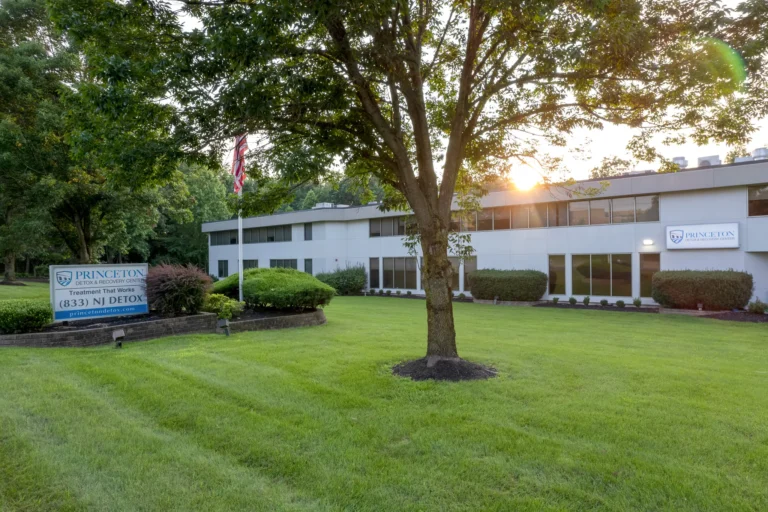
Located in Central New Jersey, our detox center combines evidence-based medical care with compassionate support to help clients stabilize physically and emotionally before continuing their recovery journey.
What Is Medical Detox?
Medical detoxification is the first step in recovery for many individuals struggling with drug or alcohol addiction. Detox allows the body to safely eliminate substances while managing withdrawal symptoms under the supervision of experienced medical professionals.
When alcohol or drugs are used regularly, the body can develop physical dependence. Attempting to stop suddenly without medical support can lead to withdrawal symptoms that range from uncomfortable to severe—and in some cases, life-threatening.
At Princeton Detox & Recovery Center, our medically supervised detox program in New Jersey provides comprehensive care designed to help clients stabilize safely and comfortably before transitioning into ongoing addiction treatment.
Our medical detox program includes:
- 24/7 medical monitoring and support
- Personalized detox and withdrawal management plans
- Medication-assisted treatment when appropriate
- Ongoing assessment and symptom management
- Nutritional and wellness support
- Coordination for continued addiction treatment and recovery services
While detox is a critical first step, it is not a complete addiction treatment program. Medical detox prepares clients physically and emotionally for the therapeutic work necessary to achieve long-term recovery.
Why Choose a Medical Detox Program in New Jersey?
Withdrawal symptoms can be unpredictable and vary significantly depending on the substance used, the duration of use, overall health, and individual circumstances. Attempting to detox alone may increase the risk of serious medical complications and relapse.
A medically supervised detox program helps reduce these risks by providing continuous monitoring, clinical intervention, and comfort-focused care throughout the withdrawal process.
Potential complications of unsupervised withdrawal may include:
- Severe dehydration
- Dangerous fluctuations in blood pressure or heart rate
- Seizures associated with alcohol or benzodiazepine withdrawal
- Intense anxiety, panic, or emotional distress
- Increased risk of relapse
- Medical emergencies requiring immediate intervention
At Princeton Detox, our clinical team closely monitors each client’s condition, manages symptoms proactively, and provides immediate medical support whenever necessary. Our goal is to make detox as safe, comfortable, and effective as possible while helping clients prepare for the next stage of recovery.

Coverage Options Made Simple
What to Expect During Medical Detox at Princeton Detox
Before Admission
Your recovery journey begins with a confidential conversation with our admissions team. During this process, we’ll learn more about your substance use history, medical needs, and recovery goals while verifying insurance benefits and answering any questions you may have.
The First 24 Hours
Upon arrival, clients receive:
- A comprehensive medical and clinical assessment
- Development of an individualized detox plan
- Medication management when appropriate
- Continuous monitoring and withdrawal support
- Introduction to their care team
- Comfortable accommodations designed to promote healing
Throughout Detox
24/7 Medical Monitoring
Our medical team provides around-the-clock supervision to ensure safety and respond quickly to any changes in symptoms or medical needs.
Medication-Assisted Withdrawal Management
When clinically appropriate, medications may be used to:
- Reduce withdrawal symptoms
- Improve comfort
- Manage cravings
- Promote restful sleep
- Prevent serious complications
Nutritional & Wellness Support
Proper nutrition and hydration play an important role in the recovery process. Our team helps support physical healing through balanced meals, hydration, and wellness-focused care.
Emotional & Clinical Support
Although detox primarily focuses on physical stabilization, emotional support begins immediately. Clients receive guidance, education, and clinical support that helps prepare them for ongoing treatment and recovery.
Dual Diagnosis Support
Many individuals entering detox also struggle with mental health conditions such as anxiety, depression, trauma, or PTSD. Our team evaluates and addresses co-occurring disorders as part of a comprehensive treatment approach.
How Long Does Medical Detox Last?
The length of a medical detox program varies based on several factors, including:
- The substance or substances being used
- Duration and frequency of use
- Physical health and medical history
- Severity of withdrawal symptoms
- Individual response to treatment
Most clients complete detox within 3 to 7 days, though some individuals may require additional time to achieve full medical stabilization before transitioning to the next level of care.
What Substances Require Medical Detox?
Medical detox is often recommended for individuals withdrawing from:
Alcohol
Alcohol withdrawal can lead to serious complications, including seizures and delirium tremens (DTs), making medical supervision essential.
Benzodiazepines
Drugs such as Xanax, Ativan, Klonopin, and Valium can cause dangerous withdrawal symptoms, including seizures, when discontinued abruptly.
Opioids
While opioid withdrawal is rarely life-threatening, symptoms can be extremely uncomfortable and often increase the risk of relapse without professional support.
Stimulants
Substances such as cocaine and methamphetamine can cause significant emotional and psychological symptoms during withdrawal, including depression, fatigue, and intense cravings.
Polysubstance Use
Individuals using multiple substances often require specialized medical detox services due to the complexity of withdrawal symptoms and potential interactions.
Not sure whether you need detox? Our admissions team can provide a confidential assessment and help determine the safest path forward.
Continuing Recovery After Detox
Detox is the beginning—not the end—of the recovery process.
Research consistently shows that individuals who continue treatment after detox achieve significantly better long-term outcomes than those who stop after withdrawal management alone.
Following detox, clients may transition into additional levels of care such as:
Residential Addiction Treatment
A structured, immersive treatment environment that provides comprehensive therapy, support, and recovery programming.
Partial Hospitalization Program (PHP)
Intensive daytime treatment that offers a high level of clinical support while allowing for greater flexibility.
Intensive Outpatient Program (IOP)
A structured treatment option designed for individuals who need ongoing support while balancing work, school, or family responsibilities.
Throughout detox, our team works closely with each client to develop a personalized continuing care plan that supports long-term recovery and sustainable healing.

Ready to Begin Your Recovery?
You don’t have to wait until things get worse.
Medical detox at Guardian Recovery can help you stop using substances safely, comfortably, and with the support you deserve.
- Speak with a admissions 24/7
- Get a confidential assessment
- Verify your insurance coverage
- Ask any questions you have
- Arrive when you're ready
Your recovery starts with a single call. Let us help you take that first step safely.
Frequently Asked Questions About Medical Detox
Clear, straightforward answers to help you understand what to expect, how the process works, and how we support you every step of the way.
How do I know if I need medical detox?
Medical detox may be recommended if you’ve developed a physical dependence on alcohol, opioids, benzodiazepines, prescription medications, or other substances. If stopping use causes withdrawal symptoms, medical supervision can help ensure your safety and comfort. Our admissions team can provide a confidential assessment to determine whether detox is appropriate for your situation.
Is medical detox painful?
Withdrawal symptoms can be uncomfortable, but our goal is to make the detox process as safe and comfortable as possible. Our medical team provides 24/7 monitoring, medications when appropriate, and individualized care to help minimize discomfort and manage symptoms throughout detox.
How long does detox take?
The length of detox varies based on the substance being used, duration of use, overall health, and individual withdrawal symptoms. Most clients complete medical detox within 3 to 7 days, though some may require additional time to achieve medical stabilization.
Will my insurance cover detox treatment?
Many insurance plans provide coverage for medical detox and addiction treatment services. Our admissions team can verify your insurance benefits, explain coverage options, and discuss any potential out-of-pocket costs during a confidential consultation.
Can I bring my phone or personal belongings?
Policies regarding phones and personal items vary by program and level of care. Our admissions team will provide a detailed packing list and explain what items are permitted before you arrive.
What if I've tried to quit before and relapsed?
Relapse does not mean treatment has failed. Addiction is a chronic medical condition, and many people require multiple attempts before achieving lasting recovery. Our team focuses on understanding past challenges and helping you develop a stronger foundation for long-term success.
What substances require medical detox?
Medical detox is commonly recommended for individuals withdrawing from alcohol, opioids, heroin, fentanyl, benzodiazepines (such as Xanax or Valium), prescription medications, stimulants, and multiple substances. Some withdrawals can be dangerous without medical supervision, making professional detox an important first step in recovery.
What if I have other medical or mental health conditions?
Many individuals entering detox also have co-occurring medical or mental health concerns. Our clinical team evaluates these conditions during admission and incorporates them into your treatment plan to ensure comprehensive, individualized care.
Am I sick enough to need detox?
If you’re asking this question, it’s worth having a conversation with our team. There’s no minimum threshold of “sick enough.” If you’re concerned about stopping safely, medical supervision is the right choice.
Is detox enough to overcome addiction?
Detox is an important first step, but it is not a complete addiction treatment program. While detox helps stabilize the body and manage withdrawal symptoms, ongoing treatment addresses the emotional, behavioral, and psychological factors that contribute to substance use. Most clients benefit from continuing care after detox.
Why Choose Princeton Detox for Medical Detox in New Jersey?
24/7 Medical & Clinical Support
Our experienced physicians, nurses, and addiction treatment professionals provide around-the-clock monitoring and individualized care to help you safely navigate withdrawal and begin recovery with confidence.
Full Continuum of Addiction Treatment
Detox is only the beginning. As part of the Guardian Recovery network, we help clients transition seamlessly into residential treatment and ongoing recovery programs designed to support long-term success.
Evidence-Based Detox & Withdrawal Management
We utilize proven medical protocols, FDA-approved medications when appropriate, and personalized treatment plans to reduce withdrawal symptoms and promote safety, comfort, and stabilization.
Personalized, Compassionate Care
Every recovery journey is unique. Our team provides respectful, individualized support in a welcoming environment where clients are treated with dignity, understanding, and encouragement.
Dual Diagnosis & Mental Health Support
Many individuals entering detox also struggle with anxiety, depression, trauma, or other mental health conditions. Our team addresses both substance use and co-occurring disorders to support comprehensive healing.
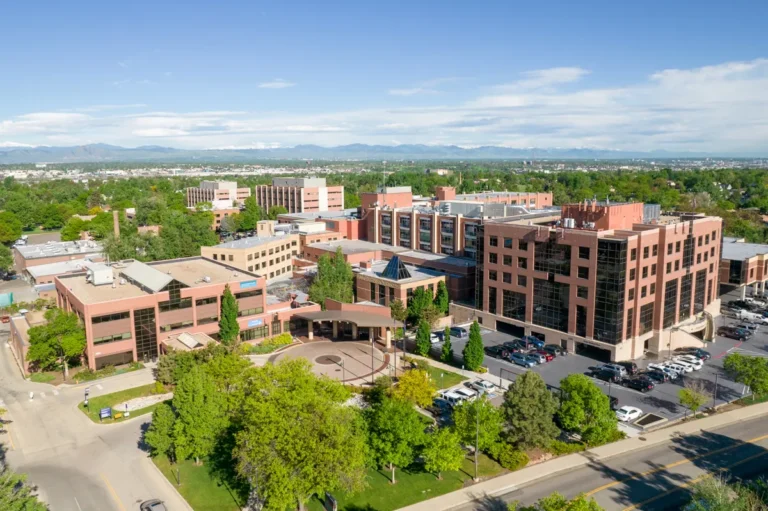
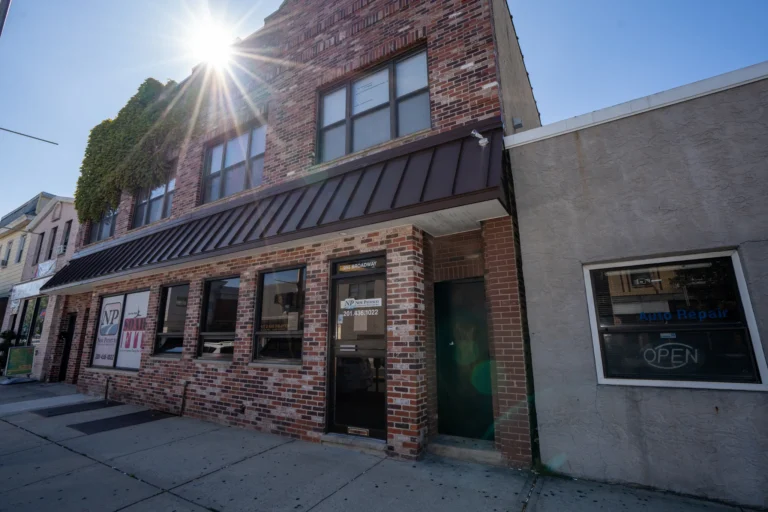
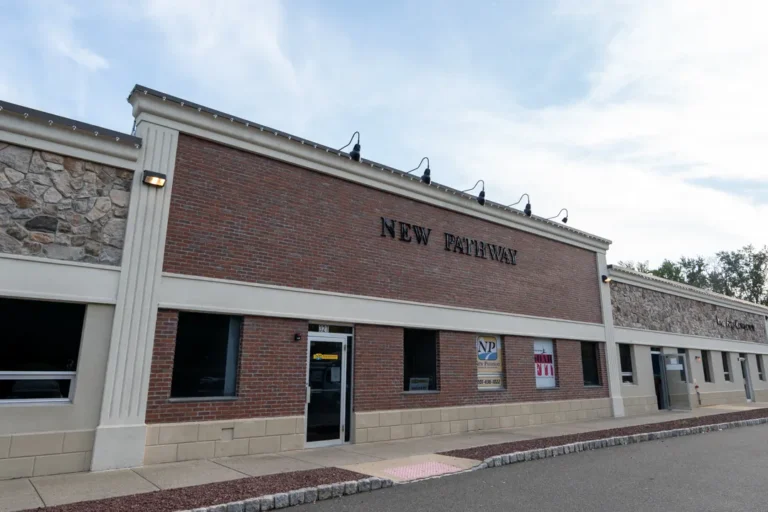
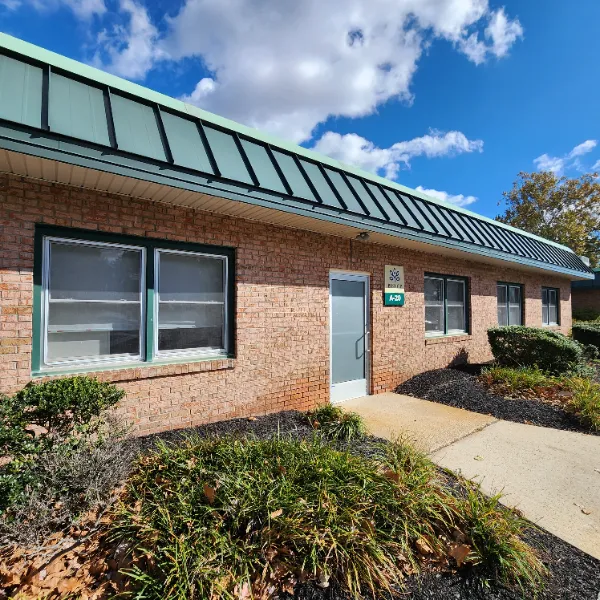
Comfortable New Jersey Detox Facility
Our detox center offers comfortable accommodations, nutritious meals, and a peaceful setting designed to help clients focus on recovery while receiving professional medical care and support.
A Seamless Continuum of Care for Every Stage of Recovery
Medical Detoxification
Our team provides 24/7 care to help ease withdrawal symptoms and keep you safe and supported during early recovery.
Residential Inpatient
Round-the-clock care in a structured, supportive setting helps you focus fully on building a foundation for lasting change.
Virtual
Offering intensive outpatient support online for those needing ongoing care or unable to attend in-person treatment.
Network of Programs
Guardian Recovery offers a full continuum of care between our facilities; including PHP, IOP, and Aftercare programs.
Hoboken, NJ
New Brunswick, NJ
Saddle Brook, NJ
Towaco, NJ
Denver, CO
Plano, TX
Delray Beach, FL
Boynton Beach, FL
Bayonne, NJ
Paramus, NJ
Pine Brook, NJ
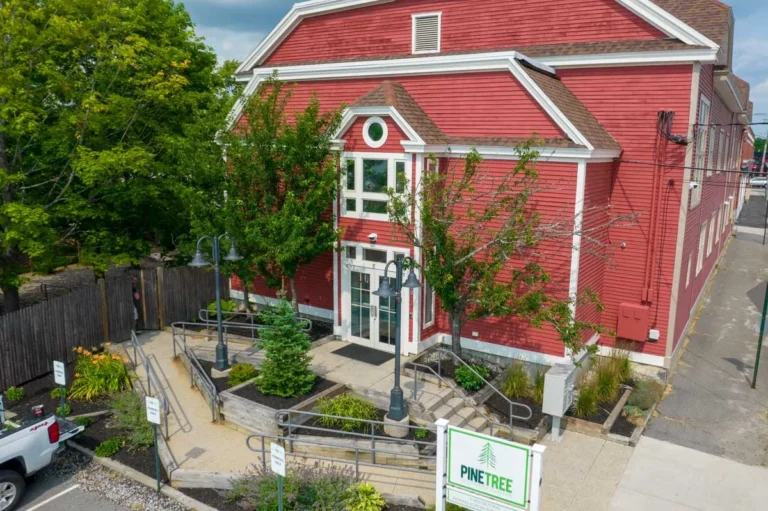
Pine Tree
Portland, ME
Monmouth Junction, NJ
Plymouth, NH
Princeton Psychiatry & Counseling
Lawrenceville, NJ
Southern Maine Recovery
Westbrook, ME
Tampa, FL